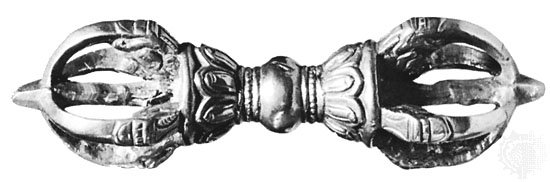

“To the brute weapons of demons, give soft, gentle flowers in return. ༄༅། །བདུད་ཀྱི་མཚོན་ཆ་རྩུབ་མོ་དག་ལ་འཇམ་མཉེན་མེ་ཏོག་ལན་དུ་སྦྱིན །” –Gedun Chophel (1950)
Translator’s Introduction: A symbolic and politically significant text of brilliant reasoning, rebellion of a brave, maverick Tibetan:
The quote above is the first opening verse to Adornment to Nagarjuna’s Intent (Ludrub Gong Gyen: ཀླུ་སྒྲུབ་དགོང་རྒྱན། ) an important text by Gedun Chophel (དགེ་འདུན་ཆོས་འཕེལ། (1901-1951) also known as Dordrag Tulku) has never been taught in Tibetan, or English, as far as am aware. Which is suprising considering when and where Chophel wrote it, and the emotional outrage that followed among the “iron-fist” ruling Dob-Dob Gelugpa dictatorship.
The philosophical treatise is based on teachings given around 1950 (shortly before Chophel’s tragic demise) after being persecuted, publicly “whipped” (compassionate monks right?) and and falsely accused of being a communist Chinese spy and being paid by the Chinese, and imprisoned for several years by the Gelugpa brute authorities in the jails of Potala Palace (Such false accusations sound very familiar to me too, having recently been “anonymously” accused of it by someone who does not like my writing about Gelugpa sectarian history (like Chophel himself)). According to an online biography:
“In the 1940s the political climate in Lhasa was highly unstable, and just as Gendun Chopel returned, in 1946, a violent confrontation erupted between two regents, the Fifth Reting, Tubten Jampel Yeshe Tenpai Gyeltsen (rwa sgreng 05 thub bstan ‘jam dpal ye shes bstan pa’i rgyal mtshan, 1912-1947) and the Third Taktra, Ngawang Sungrab Tutob (stag brag 03 ngag dbang gsung rab mthu stobs, 1874-1952).
Gendun Chopel became a target for ecclesiastical extremists and conservative nobles. He was arrested, whipped, and falsely accused of producing fake banknotes, of being a communist spy, and of being paid by the Guomindang, among other things. He was thrown into prison, first at Nangtseshar (snang rtse shar), the city court of Lhasa and the central jail, and then at Shol (zhol) at the foot of the Potala Palace. His research materials written during twelve years of exile in India were stolen and never returned.”
Also, the Potala Palace was a jail and also they say a place where “executions” were carried out. We do not hear that in all the Gelugpa propaganda about the “peaceful unity” of Tibet under Gelug sectarian rule do we? See my prior article about the “shady and murderous foundations” of Potala “Palace” here.

In fact as one Tibetan writer goes into more detail:
“On one stormy evening, howling with frost, wind, and hail, his Tibetan brothers and sisters, whom he had held tightly bound in the knots of goodwill and love for his whole life, threw him into prison—he who had “brought a little honor to the king and citizens of our Land of Snows with his own ability.” Without mercy, they gave him fifty lashes.
Biting his lip as he tried to endure such terrible abuse, Gendun Chophel now realized that there was nothing to do but place the entirety of his hopes in the future. To preserve the lifespan of his writings, he sent a covert message to Horkhang Sé saying, “I entrust my little estate to you.” Though he had shed tears in hopes of saving his writings, it was nevertheless beyond Horkhang Sé to protect the entire “estate.” The butchers of civilization unscrupulously grabbed the stacks of texts that this humble scholar had spent his entire life collecting and reduced the majority of them to smithereens.
The fact that a large quantity of his writings had been utterly annihilated was made known to Gendun Chophel as he languished in the dungeons. This terrible news was an iron sickle that immediately slit open his heart and severed all his hopes. At this, he picked up the bottle with a single stroke of the hand.
“One of the world’s rarest emerald vases has been shattered on the rocks,” he remarked upon getting out of prison. “What’s to be done now? I’ll just keep on like this for the time being,” he said, mouth trembling. From then on, he went on an insatiable drinking bout, consuming liquor to no end. All day and all night…”
Another online account of Chophel’s amazing life and travels in India and translations says:
“One of the greatest mistakes Chophel ever made (as many latter-day observers would come to believe) was in returning to his homeland. Some nostalgia notwithstanding, it seemed that Chophel was not particularly looking to return to Tibet.
His admirers were planning to ferry Chophel off to the US. It was the time of the Second World War and Chophel’s hopes to raise awareness about Tibet in North America failed to materialize after his visa application to the US was rejected. His sponsors had even procured land in California, which was dubbed “Tibetland.” Chophel was left with no choice but to return to Lhasa in 1945.
He was jailed a year later for two years on trumped-up charges by the Lhasa government (some more naïve Tibetans even entertain the notion that had he managed to reach America, Chophel could have possibly saved Tibet from being swallowed by Mao’s army).”
The text: teachings to a student, Dawa Zangpo
teachings were written down by his Nyingma student, Nyarongpa Dawa Zangpo ( Nyag-rong-pa Zla-ba-bzang-po) and cover the topic of Nāgārjuna’s Madhyamaka philosophy.
Here is my short introduction to the text itself, extant editions, and the first translation into English of the stunning “opening verses” by Chophel. Offer in return soft, gentle flowers to the brute weapons of demons. Indeed.
Yet, those wise words of the “humble bee playing in the garden of nectar of a wise heart” were unheeded by the Gelugpa men in robes still battling over political power within to realise when it was too late that their own brutality and political alliance with the Qing Dynasty had already laid the karmic foundations for the brute takeover of Tibet by the communist Chinese, and modernist Tibetan sympathisers tired and depressed by the Gelugpa dictatorship and theocracy that propped up religious male power and privileged aristocracy.
Gelugpa Geshe “emotional outrage”

According to biographical sources, Chophel warned his student, Dawa Zangpo, of the reaction this treatise might provoke in ecclesiastical circles, once published, and indeed, it is this text that is remembered by the orthodox Gelukpa, as well as by the Nyingmapa, as the key point in a violent contention that broke out with regard to Gendun Chopel and his place in the Tibetan philosophical tradition.
When the first woodblock print was published on handmade Tibetan paper and sold around the Barkor in Lhasa, it immediately caused an uproar. It is an unorthodox examination of the bases of Mahāyāna Buddhist practice in Tibet and the last of the available works attributed to the great maverick scholar.
As Chophel predicted the text provoked a number of polemical refutations, including one by Geshe Sherab Gyatso (Dge-bshes Shes rab-rgya-mtsho). Few of these replies are now available. I discovered one by a Gelugpa scholar, in which there is even an apology by the publisher for the “personal invective” which shows how provocative the text was among Gelugpas and how “angry” their response was [iv].

Interestingly in a film about Gedun Chophel entitled “Angry Monk” the title makes it seem as if Chophel were the angry one. But if one considers the history of Tibet and how Chophel was treated by the dictatorial and violent Gelugpa authorities, he had every right like many other Tibetans (including the founders of the Ri-mey (non-sectarian) movement to feel “annoyed”. Yet the invective diatribes of Gelug Geshes to his text betray the fact that the “angry ones” who had lost all capacity for rational debate, were in fact the Gelugpas who opposed it.

Not long after the text first appeared in 1950, Dudjom Jikdrel Yeshe Dorje (bdud ‘joms ‘jigs bral ye shes rdo rje, 1904-1988) provided funds for a reprint to be made in Kalimpong, in traditional format, but using steel movable type, on green industrial paper. This edition matched the reputation of the author, being both inside and outside of tradition.

Extant editions
- Tibetan

When I checked online, I saw there is a Chinese translation of it by Pema Wangyal, published in Beijing, 2003[i].
There is also this woodblock version published in Leh, India in 1982[ii] and a version published by Sherab Gyaltsen in Delhi, India in 1983[iii].


2. English translation
There is also an English translation of the text (2006) translated by Pema Wangjié and Jean Mulligan, edited by Elías Capriles published by Shang Shung Publications, which I was unable to get a copy of.

In the foreword to the text by Cho Namkhai Norbu, it says:
“The Ludrub Gonggyen (kLu sgrub dgongs rgyan) clearly demonstrates his profound knowledge of both Sutra and Tantra and his precise understanding of the essence of the teachings of Buddha and the thought of Nagarjuna. Careful study and analysis of this work – whether by scholars who approach it with impartial minds, practitioners who seek understanding of the Buddha’s teachings, or those engaged in research – will lead to an understanding of the essential meaning of the Buddha’s teachings.”
TRANSLATION
“Soft, gentle flowers for demonic brute weapons”
Opening Verses to Adornment to Nagarjuna’s Intent
By Gedun Chophel (tr. Adele Tomlin)

༄༅། །བདུད་ཀྱི་མཚོན་ཆ་རྩུབ་མོ་དག་ལ་འཇམ་མཉེན་མེ་ཏོག་ལན་དུ་སྦྱིན །
dü kyi tsöncha tsubmo dak la jam nyen metok len du jin/
To the brute weapons of demons, give soft, gentle flowers in return.
ལྷས་བྱིན་ཁྲོས་པའི་སྒྱོགས་རྡོ་འཕངས་ཚེ་མི་སྨྲའི་བརྟུལ་ཞུགས་དང་དུ་བླངས །
lhejin tröpé gyok do pang tsé mi mé tulzhuk dang du lang
When Devadatta hurled a stone in anger, he adopted unconventional conduct of silence.
རང་གི་དགྲ་ལ་སྡང་མིག་ཙམ་ཡང་བལྟ་བར་མི་ནུས་ཤཱཀྱའི་སྲས། །
rang gi dra la dang mik tsam yang tawar mi nü shakyé sé/
Unable to even cast a glance of hatred towards one’s enemies, Son of the Shakyas.
འཇིགས་རུང་འཁོར་བའི་དགྲ་ཆེན་སྐྱོབས་པའི་གྲོགས་སུ་ཤེས་ལྡན་སུ་ཡིས་བཀུར །
jikrung khorwé dra chen kyobpé drok su sheden su yi kur/
Who is the honourable wise one, who protects from the terrifying great enemy of samsara?
དགེ་ལེགས་ཞི་བསིལ་བདུད་རྩིའི་འབྱུང་གནས་ཐར་པའི་ལམ། །
gelek zhi sil dütsi jungné tarpé lam
The source of the cool and soothing nectar of virtue, the path of liberation?
འདུན་པས་ཕྲ་ཞིབ་མ་ནོར་མཚོན་པ་སྲིད་པའི་མིག །ཆོས་རྗེ་སྨྲ་བའི་སེང་གེ་མཆོག་ནི་འདིའོ་ཞེས།
dünpé tra zhib manor tsönpa sipé mik chöjé mawé sengé chok ni di o zhé/
Who with fine precision, unerringly portrays the “eye of existence”?
འཕེལ་འགྲིབ་མེད་པར་རིགས་སྨྲ་ཚོགས་ཀྱིས་རྟག་ཏུ་གུས
peldrib mepar rik ma tsok kyi taktu gu
The supreme lord of Dharma, the Lion of Speech, is this one.
གང་གི་མཁྱེན་པའི་ཉི་མའི་དཀྱིལ་འཁོར་ཀུན་ཏུ་བཟང་པོའི་མཁའ་དབྱིངས་ནས །
gang gi khyenpé nyimé kyilkhor kuntuzangpö kha ying né
Whose spherical sun of knowledge shines in the vast expanse of the totally excellent (Kuntuzangpo) space,
སྐྱེས་སྦྱངས་ཤེས་རབ་དམན་པ་ཁོ་བོའི་སྙིང་གི་པདྨོའི་དགའ་ཚལ་།
kyé jang sherab menpa khowö nying gi pemö gatsal/
In the delightful garden of my heart’s lotus, a humble one with innate and learned wisdom.
རིགས་པའི་འོད་ཟེར་ལན་སྟོང་འཁྱིལ་བའི་ལེགས་བཤད་གེ་སར་འཛུམ་པའི་དཔལ །
rikpé özer len tong khyilwé lek shé gesar dzumpé pal/
The brilliance of reasoning’s thousandfold rays, the smiling splendor of the bloom of excellent exposition.
སྲིད་གསུམ་མཁས་པའི་བུང་བས་དོན་རྒྱུད་སྦྲང་རྩི་མངར་མོར་ལོངས་སྤྱོད་ཅིག །
si sum khepé bungwé dön gyü drangtsi ngarmor longchö chik/
May the wise bees of the three realms enjoy the sweet honey of the lineage of meaning[v].
Written and translated spontaneously by Adele Tomlin, in the space of a few hours on the Dharma Protector Day of 11th August 2026 (29th of the fifth lunar month).
Chophel’s literary and free-thinking circle and artworks
During his stays in the 1930s and 1940s, Gendun Chophel was a central figure in Kalimpong’s uniquely diverse, progressive, and highly radical literary and political circle. Far from the conservative monastic authorities of Lhasa, this Indo-Tibetan border town became a safe haven for free-thinkers, scholars, exiled dissidents, and foreign academics,
Chophel was also a talented artist and innovator, see some artworks here. Will write more about this another time


Endnotes
[i] rDor grags sprul sku dge ʼdun chos ʼphel, and Nyag rong pa zla ba bzang po. dBu maʼi zab gnad snying por dril baʼi legs bshad. Mi rigs dpe skrun khang, 2003. Buddhist Digital Resource Center (BDRC), purl.bdrc.io/resource/MW30441.
[ii] rDor grags sprul sku dge ʼdun chos ʼphel, and Nyag rong pa zla ba bzang po. kLu sgrub dgongs rgyan. D. T. Tashigang, 1982. Buddhist Digital Resource Center (BDRC), purl.bdrc.io/resource/MW29572.
[iii] Nyag rong pa zla ba bzang po, and rDor grags sprul sku dge ʼdun chos ʼphel. kLu sgrub dgongs rgyan. Shes rab rgyal mtshan, 1983. Buddhist Digital Resource Center (BDRC), purl.bdrc.io/resource/MW17210.
[iv] Dze smad blo bzang dpal ldan bstan ʼdzin yar rgyas. dBu ma klu sgrub dgongs rgyan gyi dgag pa. D. Gyaltsen And K. Legshay, 1972. Buddhist Digital Resource Center (BDRC), purl.bdrc.io/resource/MW14425.
[v] Here the Tibetan don-gyu དོན་རྒྱུད “meaning lineage” or tantric meaning.
Other Sources
- Bogin, Benjamin; Decleer, Hubert (1997), “Who was ‘this evil friend’ (‘the dog’, the ‘fool’, ‘the tyrant’) in Gedun Choephel’s Sad Song?”, The Tibet Journal, 22 (3): 67–78
- Dhondup, K.: “Gedun Choephel: the Man Behind the Legend”. Tibetan Review, vol. 13, no. 10, October 1978, p. 10–18.
- Huber, Toni (2000). Guide to India, a Tibetan Account By: Gendun Choephel. Dharamsala, India: Library of Tibetan Works & Archives. pp. 162pp.
- Mengele, Irmgard (1999). Gedun Choephel: A Biography of the 20th Century Tibetan Scholar. Dharamsala, India: Library of Tibetan Works & Archives.
- Stoddard, Heather (1985). Le mendiant de l’Amdo (Recherches sur la Haute Asie). Paris: Societe d’ethnographie.
- Roerich, George N. and Gedun Choephel (Translator) (1988). The Blue Annals by Gö Lotsawa. Motilal Banarsidass, Delhi, 1976, Reprint in 1979. [reprint of Calcutta, Royal Asiatic Society of Bengal, 1949, in two volumes].